Kenya: Indigenous people reject attempts to re-start troubled carbon credit project
June 18, 2026
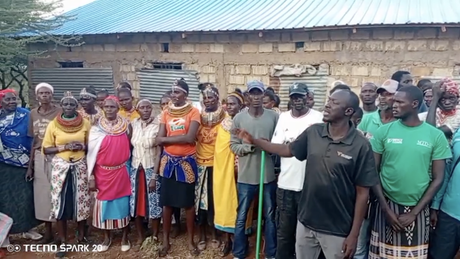 © Leparua community member
Project used by Meta and Netflix accused of coercion of Indigenous people
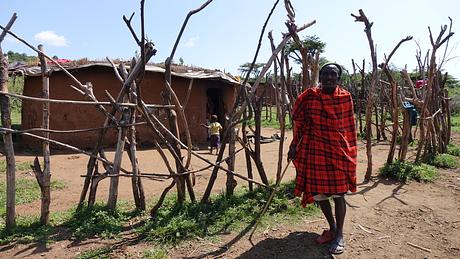
Accusing the controversial conservation organization Northern Rangelands Trust (NRT) of “tricks and dishonest dealings,” Indigenous people in Northern Kenya have denounced its attempt to revive its notorious and twice-suspended Northern Kenya Grassland Carbon Project (NKGCP).
NRT is pushing Indigenous communities in the project area to sign agreements that are presented as a solution to the project's crisis but could in fact further reduce community control over their ability to graze their livestock, and to manage their own lands.
Maasai and Rendille people living in the Leparua and Melako conservancies say NRT is coercing them into signing the agreements.
NKGCP has sold carbon credits to Meta, Netflix and other multinationals, but the project severely curtails the traditional grazing practices of the Maasai, Borana, Samburu and other cattle-herding peoples whose lands are used to generate credits.
Rose Orguba, a human rights defender and member of the Melako Conservancy community land management committee, told Survival:
“Many felt they were being pressured, intimidated, or rushed through this process, which should be transparent, inclusive, and based on free, prior, and informed consent… The people that were transported in buses to the [meeting] venue were coached to agree to sign without reading the document. Ninety per cent of the community are illiterate. Hence propaganda was used, saying that they have to sign today, it's only today that they sign or carbon money will be lost forever.”
NRT has sold more than 6 million carbon credits, worth between $42 million and $90 million, according to the Wall Street Journal — yet many people living within the project area were never properly informed about the carbon project or told of its impact on their lands. Without their free, prior and informed consent, there is no legal basis for the carbon project.
The project has in recent years been hit by several crises: the certification body Verra has twice suspended its verification of the project; in Isiolo a court ruled that one of the key conservancies taking part in the project was created illegally; and new carbon laws passed by Kenya’s parliament impose new obligations on those behind the country’s booming carbon credit industry.
International media reports and several civil society investigations documented how NRT’s rangers were involved in violence, killings, forced disappearances and intimidation — allegations which were borne out in a 2025 court case of community members against NRT.
Jackson Lokadelio from Leparua Conservancy said: “As the Leparua Conservancy community, we do not understand this NRT carbon project agreement. We also cannot accept being called just to sign a document without knowing what is inside it. [...] Because if we sign the document without understanding what is inside, it will be like we have agreed to give away our land. I also ask everyone not to be misled by money.”
Caroline Pearce, Director of Survival International said today: “The brave resistance to these new agreements shows that Indigenous people are not going to simply rubber-stamp a project that is making profit off their lands without respecting their lives and rights.
“NRT’s carbon project has also been discredited by court rulings and carbon market suspensions. It’s high time the certifier Verra finally scraps the project and ends this shameful farce.”
Notes to editors:
- Drafts of the new agreements, which Survival has been able to see, introduce stricter obligations on Indigenous herders, expand the number of parties involved in decision-making and allocate a significant share of future carbon revenues to local county authorities. This could create new conflict over land use and revenues, while further weakening Indigenous peoples ability to manage their own lands.
- NRT has not disclosed how many conservancies have agreed to the new terms of the agreement.
- These new agreements were introduced to try and ensure that the carbon project becomes consistent with the Climate Change (Amendment) Act 2023, the Climate Change (Carbon Market Regulations) Act, 2024 and the Community Land Act, 2016.
- The Northern Kenya Grassland Carbon Project is operated by the Northern Rangelands Trust (NRT). At more than 2 million hectares, it claims to be the largest carbon soil project in the world.
- The Northern Kenya Grassland Carbon Project (NKGCP) covers large areas of Indigenous pastoralist land used by Indigenous Samburu, Borana, Maasai and Rendille peoples. The project forces Indigenous pastoralists to change their traditional grazing patterns, then generates carbon credits based on the claim that the land will then store more carbon – a claim that has been discredited by experts, and detailed in Survival International’s report “Blood Carbon”.